

Campaign inspiration
78 campaigns worth learning from — the context, the insight, the strategy and what actually happened.
Showing 78 of 78
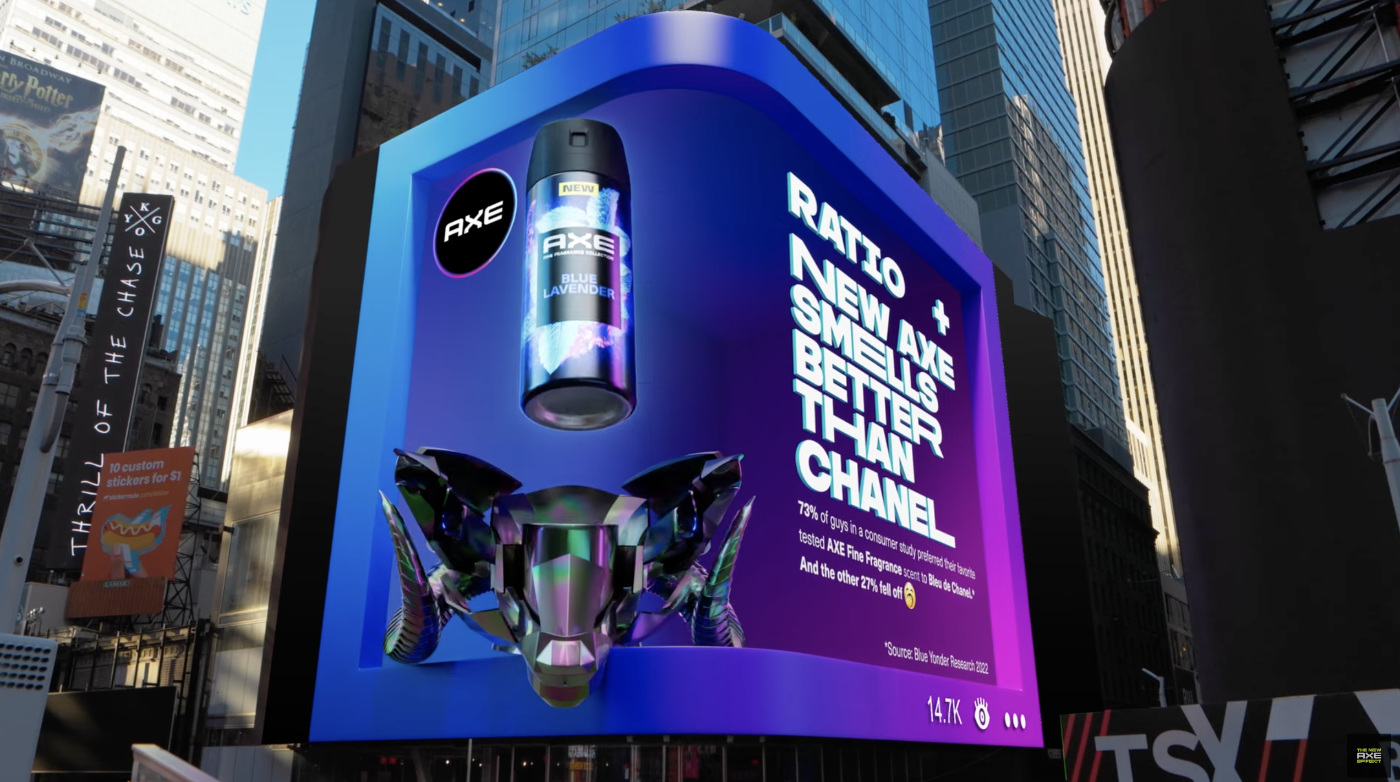
Axe
Axe took on designer fragrances in an internet-heavy campaign - and won?
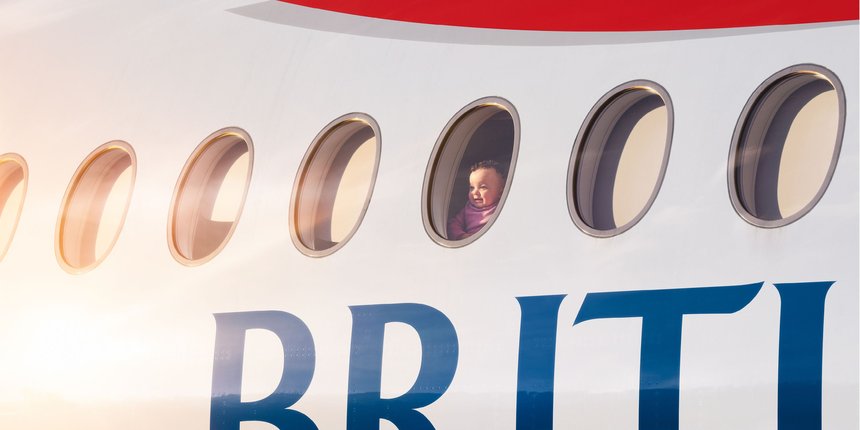
British Airways
Still proving a divisive decision, British Airways turned the camera back at their passengers - leaving out their logo.
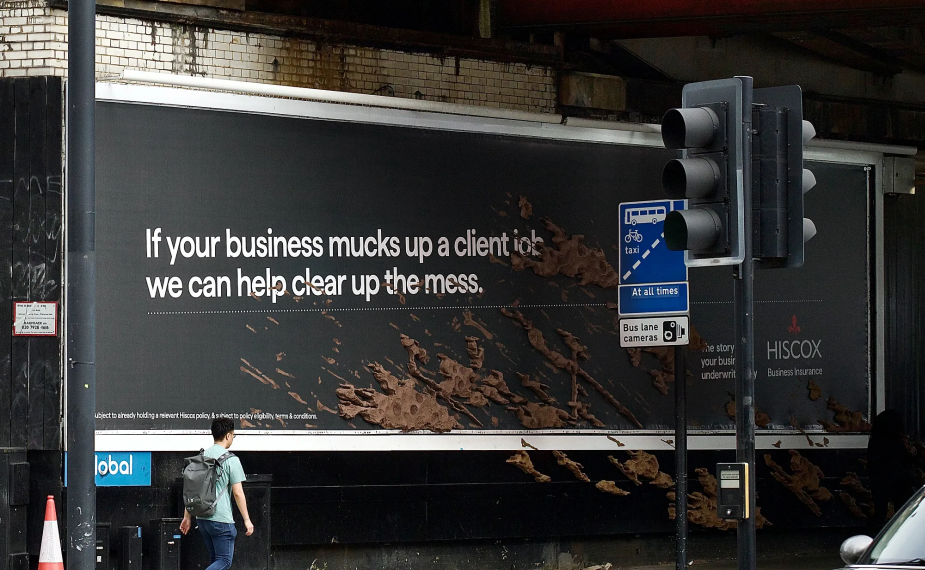
Hiscox
Not just one campaign - but a sequence of truly excellent, creative OOH work from an insurance brand.
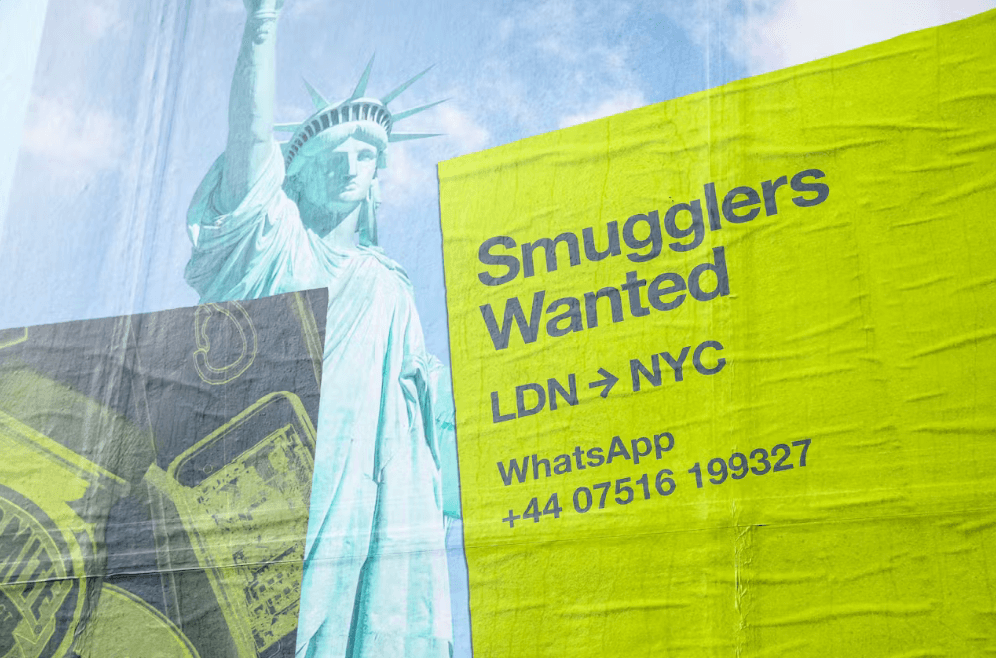
Marmite
Marmite's "Love it or Hate It" platform has been going for a long time - and every new iteration seems to take it further. This campaign didn't disappoint.
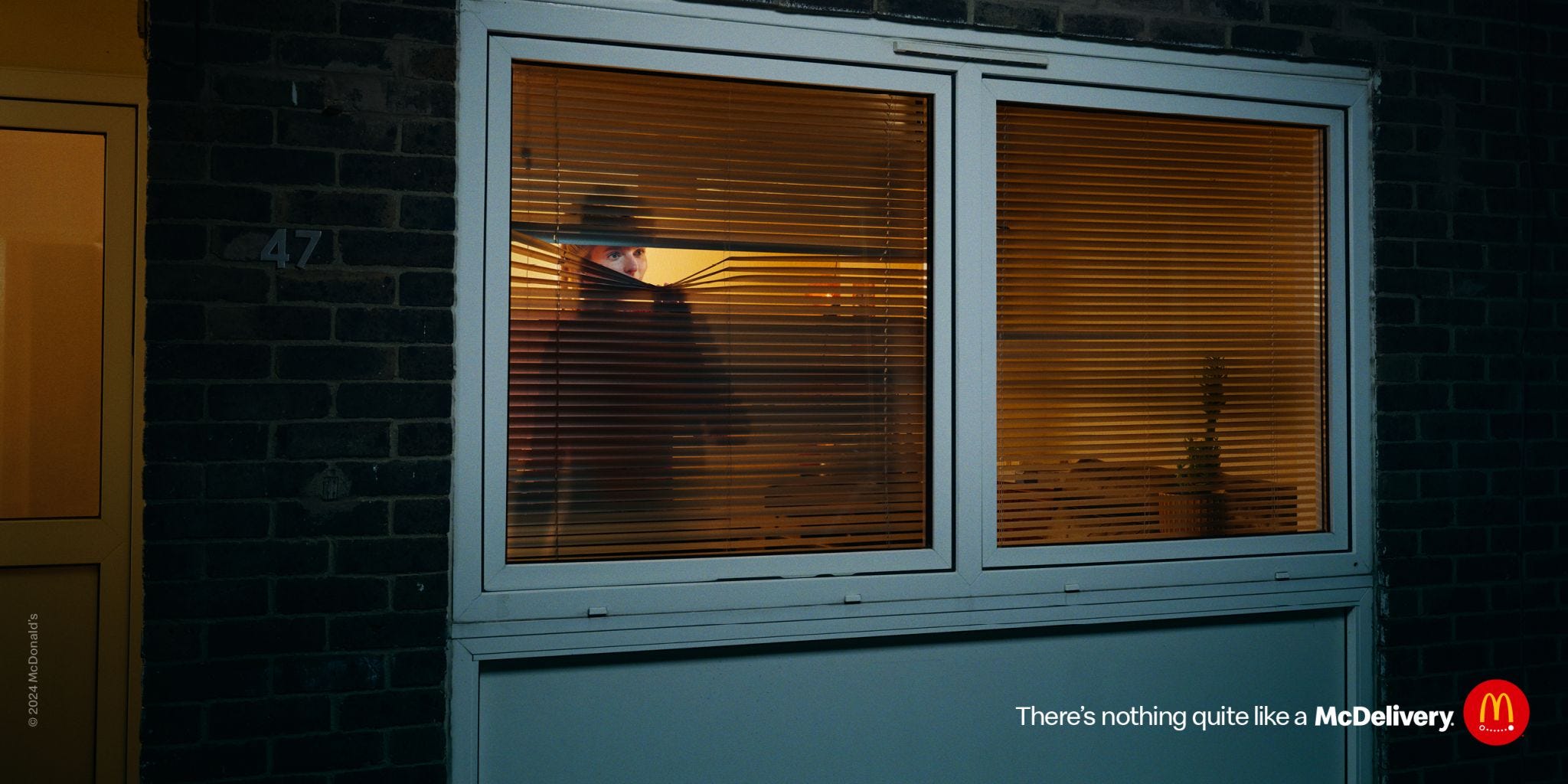
McDonald's
No one likes waiting for their food delivery to arrive. But McDonald's captured that moment to communicate just how desirable a McDelivery really is.
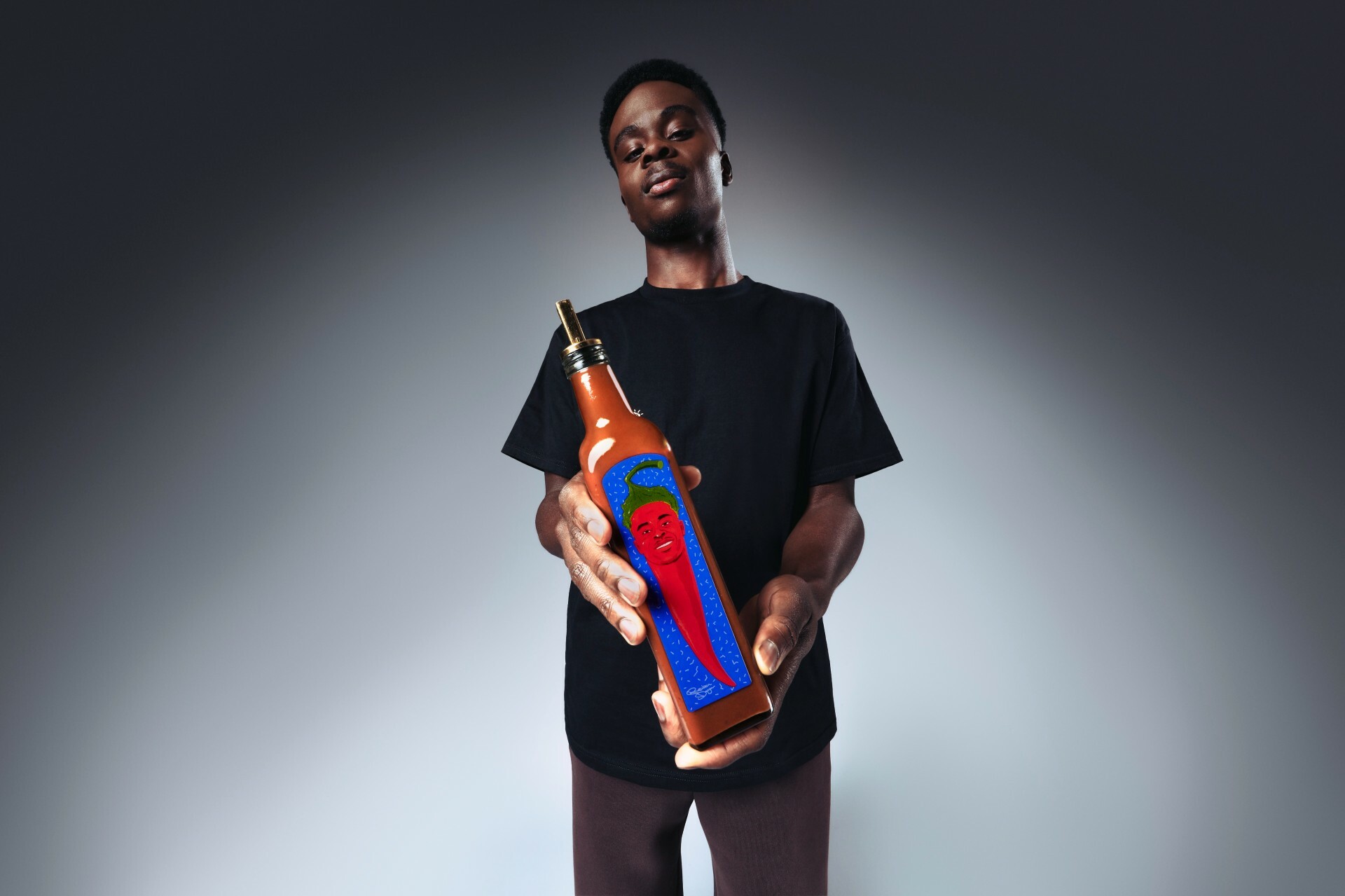
Nando's
Nando's, the ever-popular chicken restaurant, partnered with Arsenal football club's starboy Bukayo Saka to launch a new sauce. Cue cultural relevance.

Tracksmith
Tracksmith follow in the footsteps of Nike and Apple by positioning the brand as exclusive - while making everyone want to be a part of the included group.
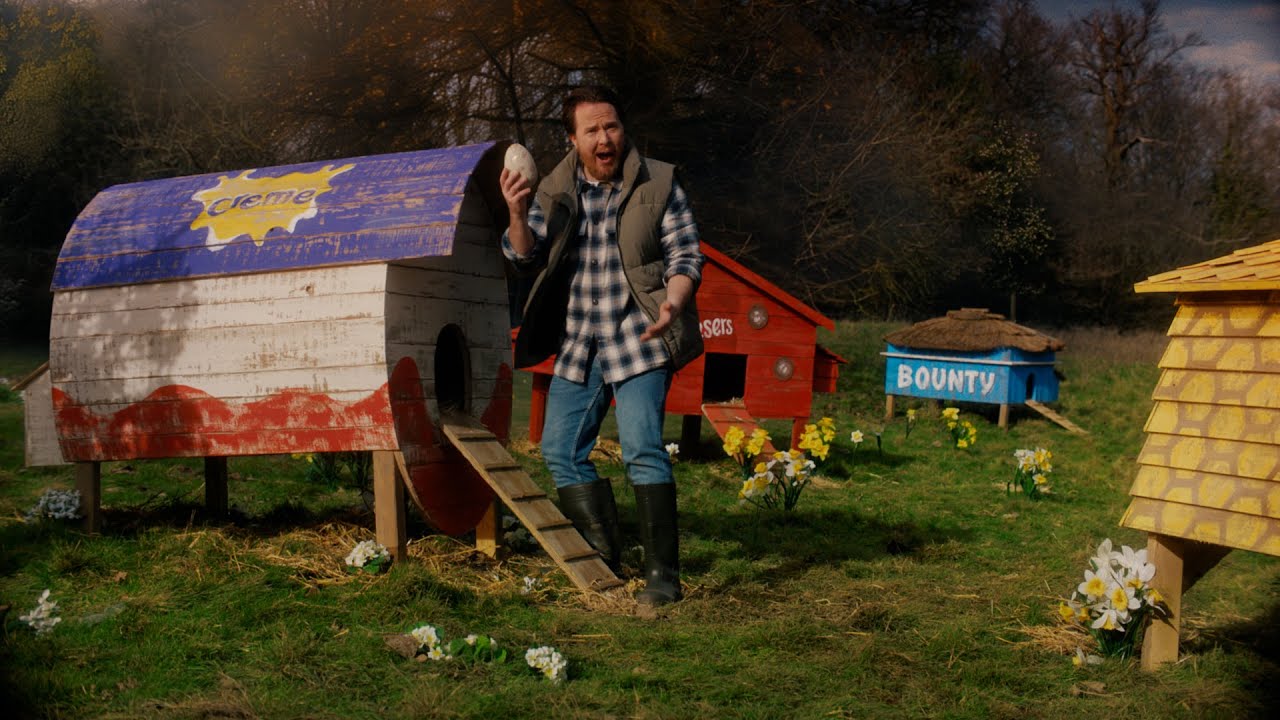
ASDA
Supermarkets are constantly waging a war against each other - over value, quality, rewards, promotions and more. ASDA found a new weapon in this old battle.
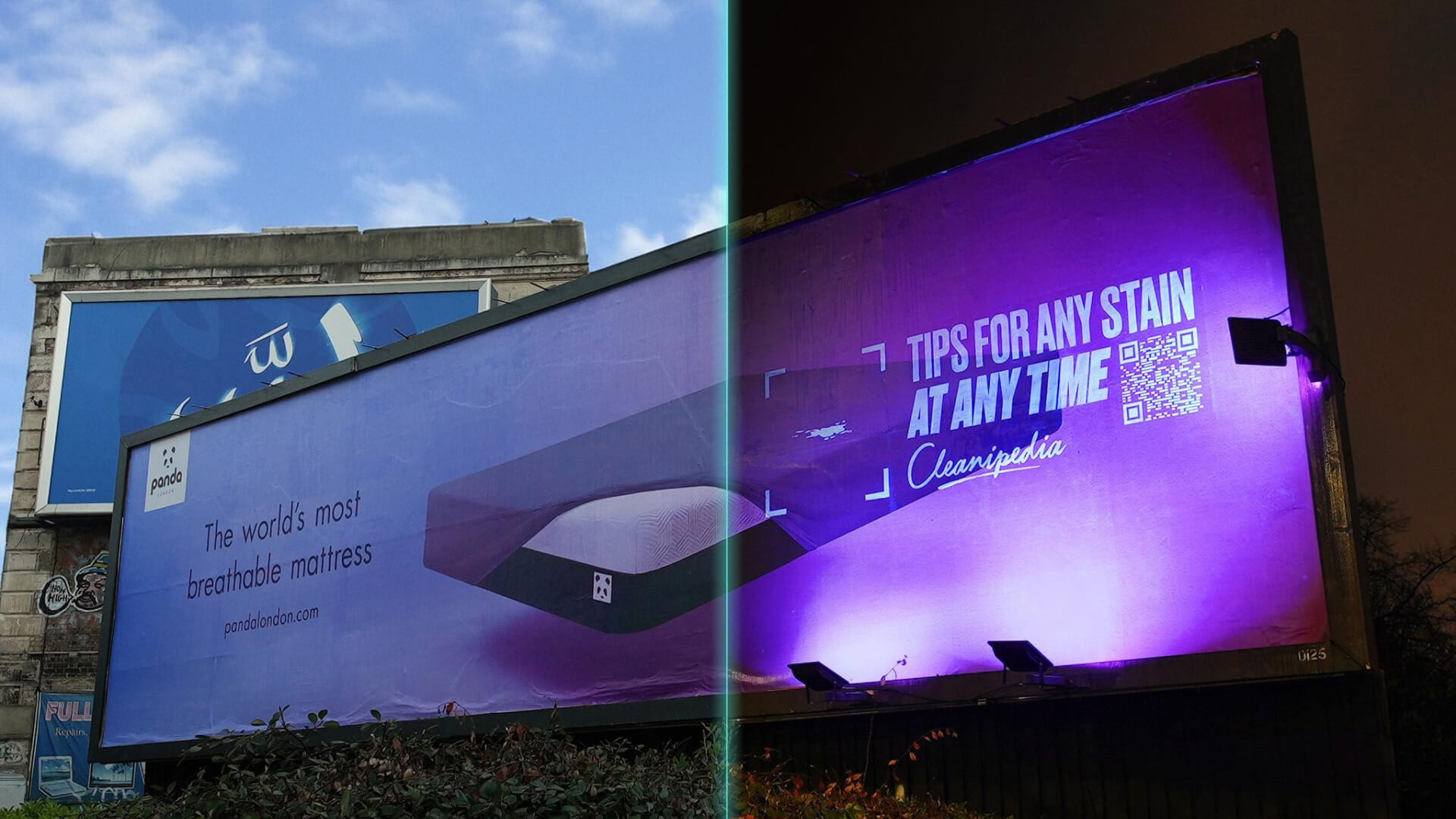
Cleanipedia
Cleanipedia, a cleaning advice platform owned by Unilever, wanted to drive views on TikTok and brand awareness. So they risked breaking the rules of OOH to win big.
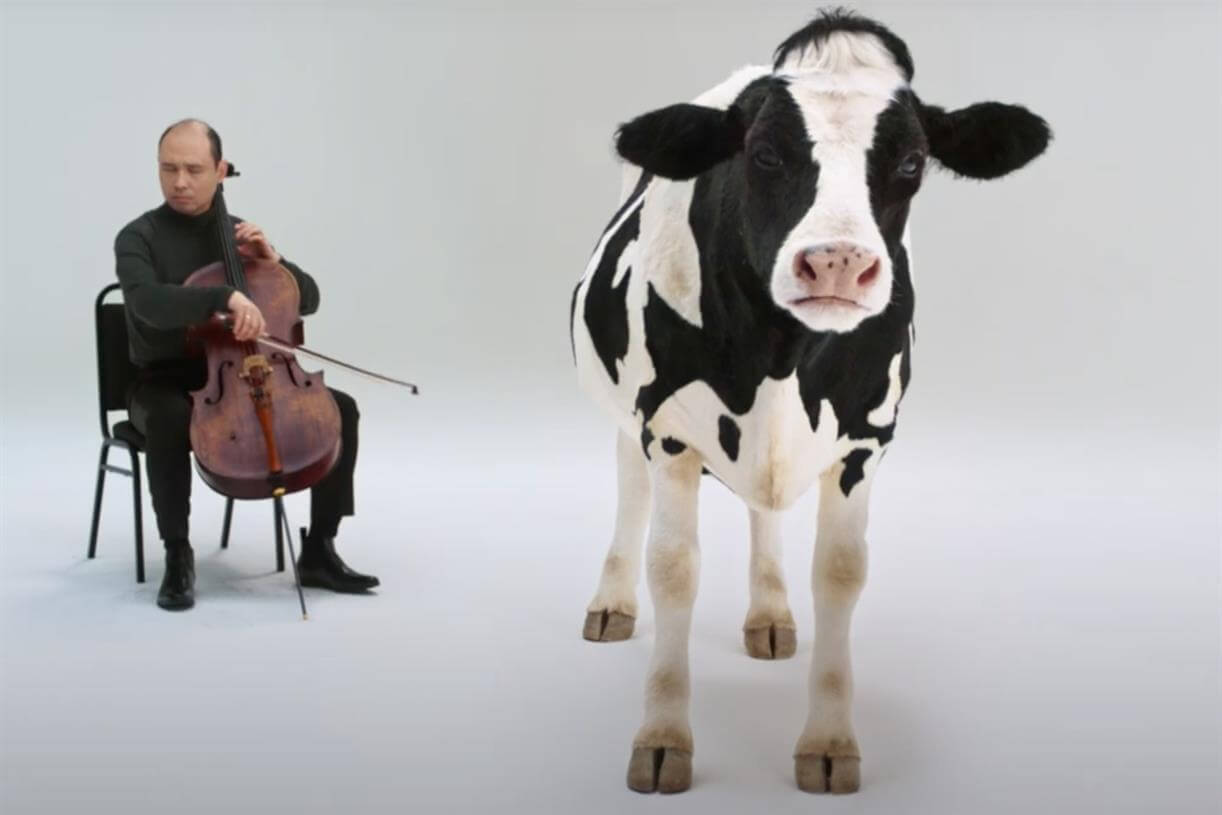
Flora
Flora, a dairy-alternative brand, asked a simple question: "Isn't it weird that we use cows to process plants into dairy?" That question led to a brand platform, "Skip the cow", and a series of funny - and weird - campaigns.
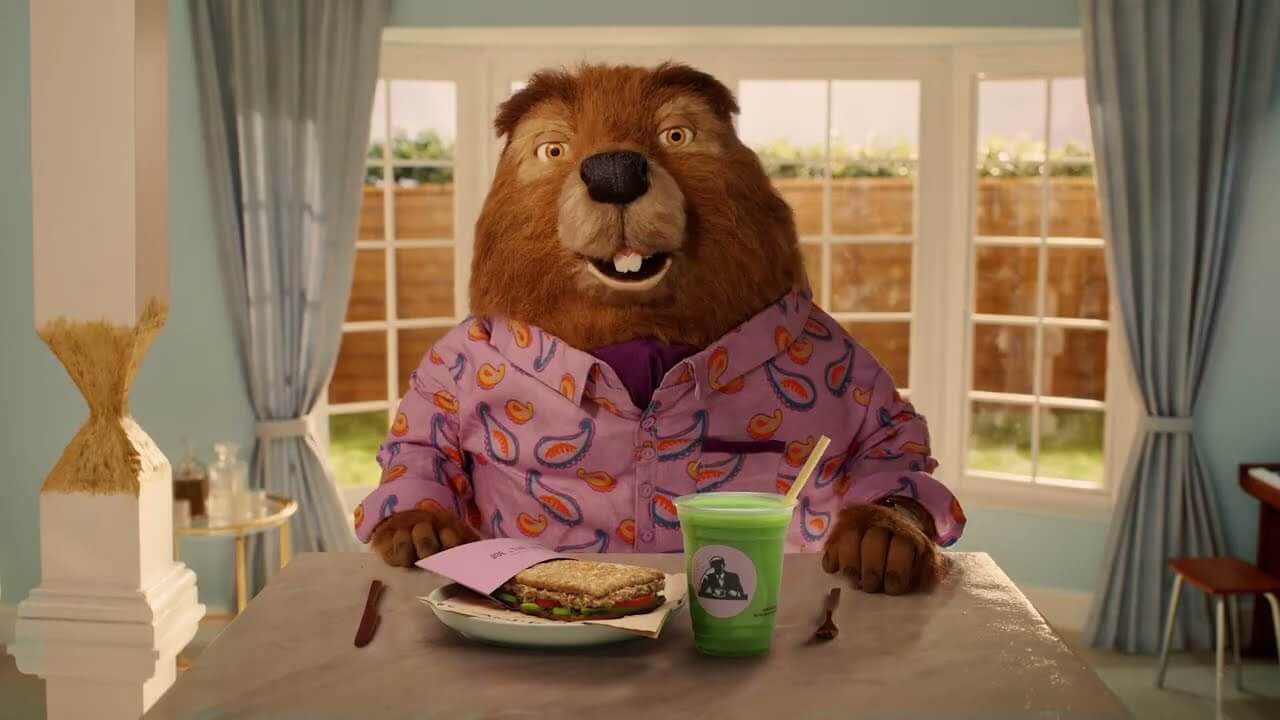
Just Eat
Just Eat had "Did Somebody Say" as a global creative platform, but wanted to appeal directly to the UK market. They teamed up with a celebrated studio to create a series of cute, twee ads designed to be loved by Brits.
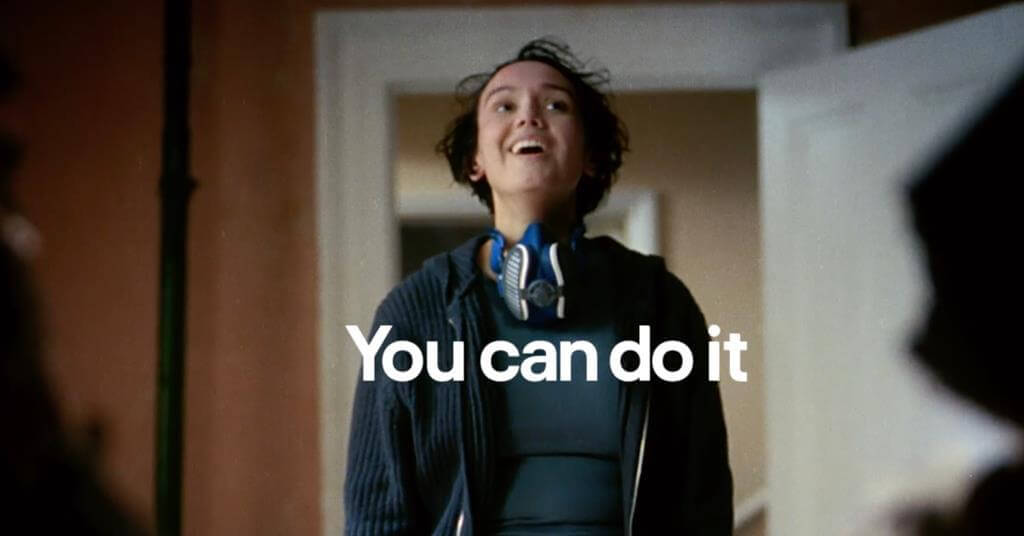
B&Q
B&Q needed to protect their position as the UK's leading DIY retailer. They did so by bringing back a decades-old tagline - "You can do it".
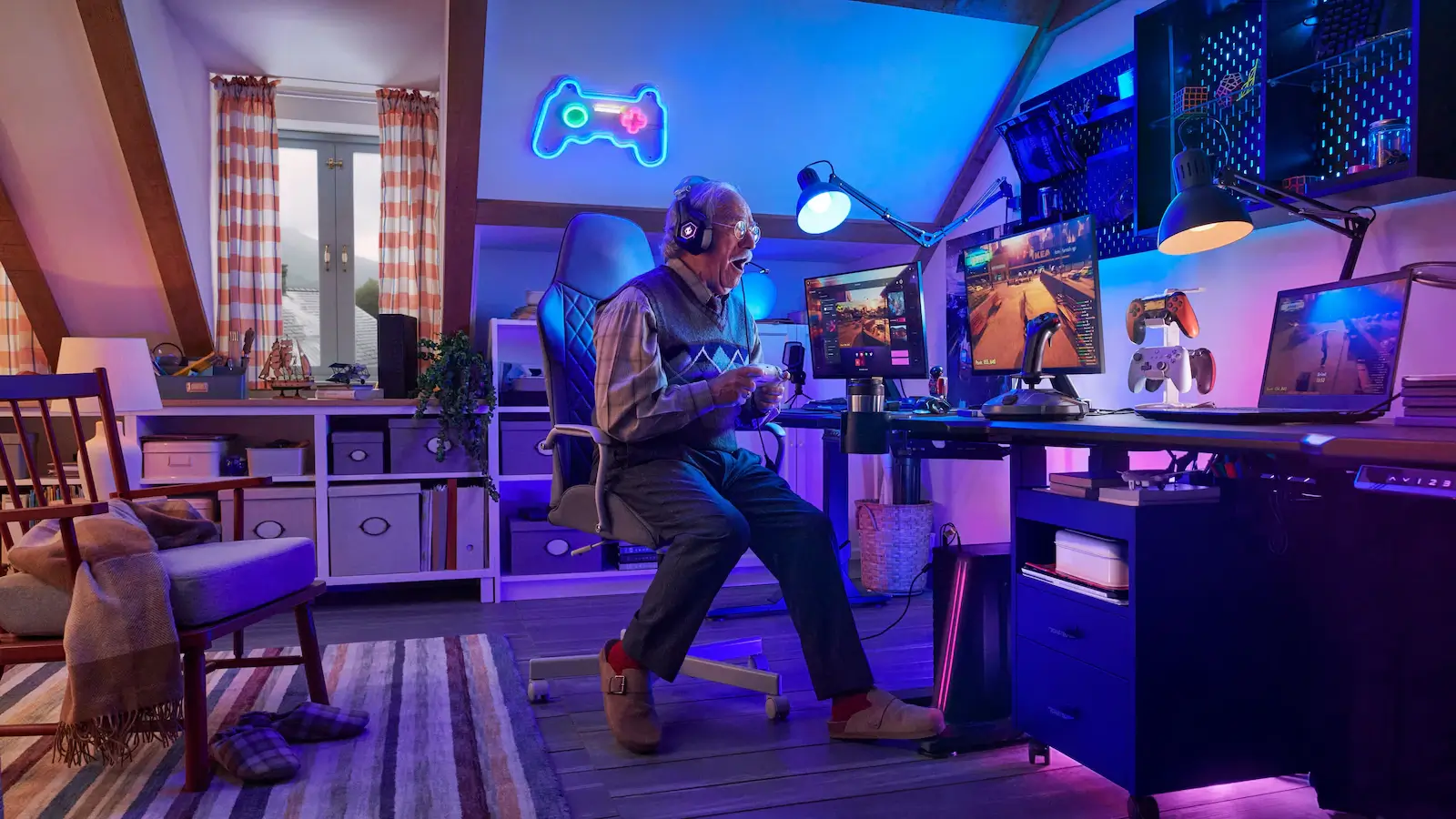
IKEA
In a cost of living crisis, even positive messages around affordability can start to feel... underwhelming. People want to save where they can, but they still need some fun. That was the basis for this campaign from IKEA.
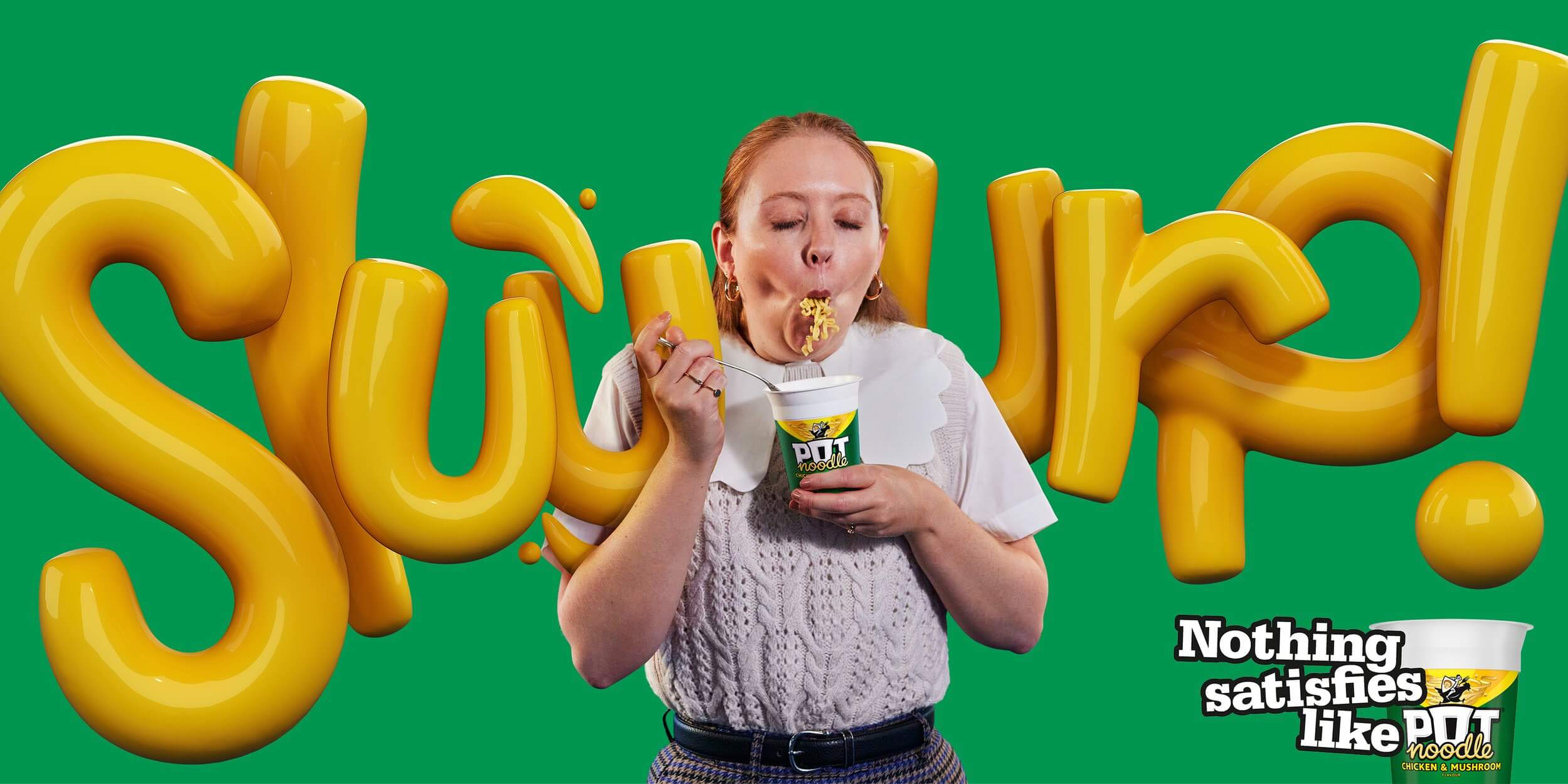
Pot Noodle
Following on from previously disgusting work, featuring Noodles filling all sorts of holes, Pot Noodle launched a campaign featuring a 12-second slurp. The British public recoiled. The brand pivoted.

Sky Sports
Sky Sports were launching their new Tennis channel in early 2024. At a slightly awkward time. Between Grand Slams, with an Open just finishing. The launch ended up being a lesson in getting the basics right - entertaining, exciting, and watchable.
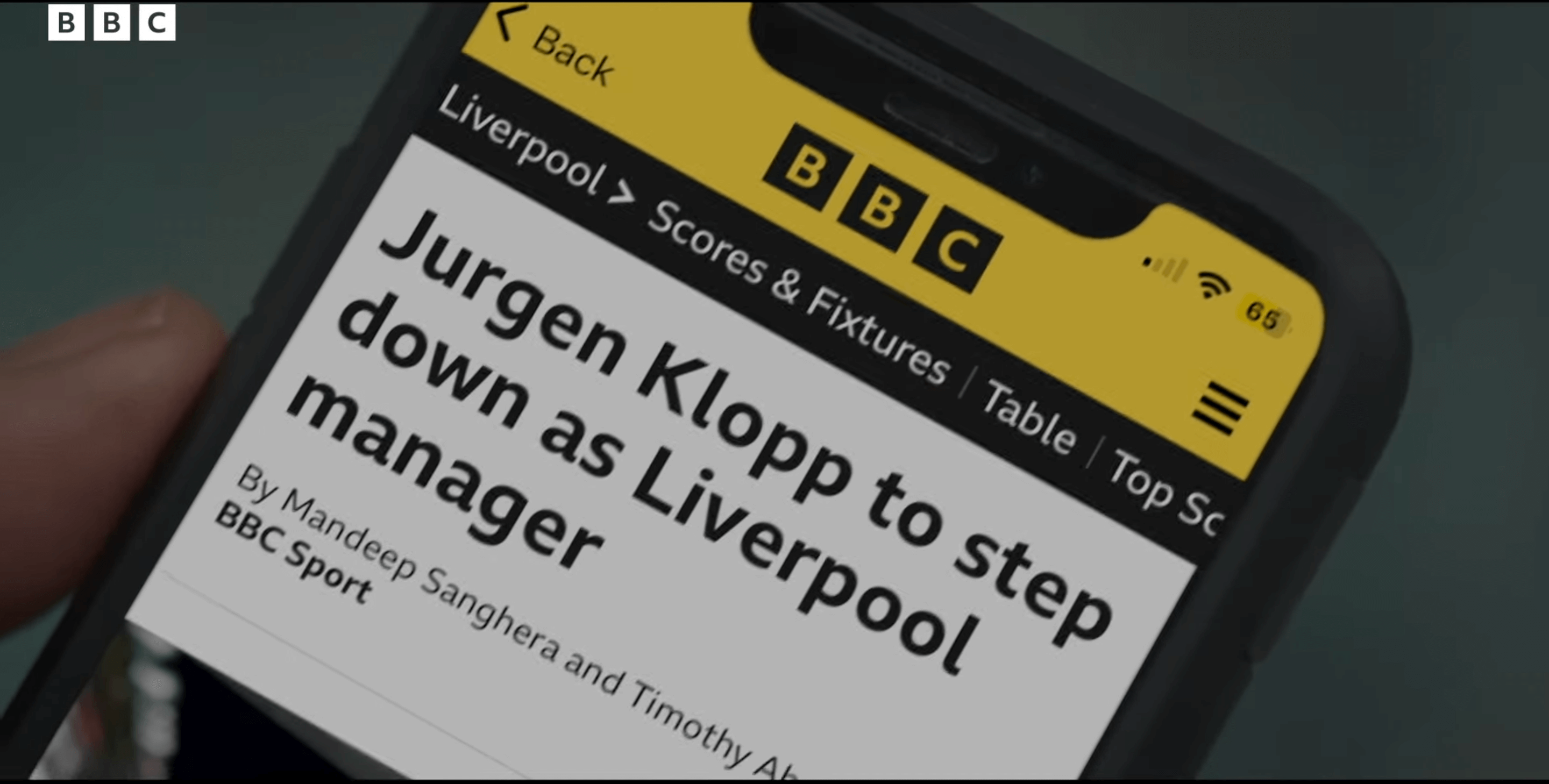
BBC
The BBC were running a campaign designed to show people that they made more than just TV programming. Then news broke that Jurgen Klopp was resigned as Liverpool F.C. manager. So the organisation turned around a rapid TV spot.
%20(1).jpg?t=2024-08-19T19%3A11%3A48.641Z)
KFC
KFC launched their new Tower Burger by focusing on a very specific product feature: the height of the burger. All they needed was a creative way in to this potentially unimpressive feature.
%20(1).jpg?t=2024-08-19T17%3A21%3A10.819Z)
Magnum
Magnum took on a challenge as old as time for premium brands: How do we get our audience to justify spending more on us, when there are cheaper alternatives out there?
.jpeg?t=2024-08-19T17%3A32%3A42.822Z)
Spotify
Spotify wanted to promote their sign-up offer for 3 months of free music. But they also wanted to stand their ground against Apple's App Store policies.
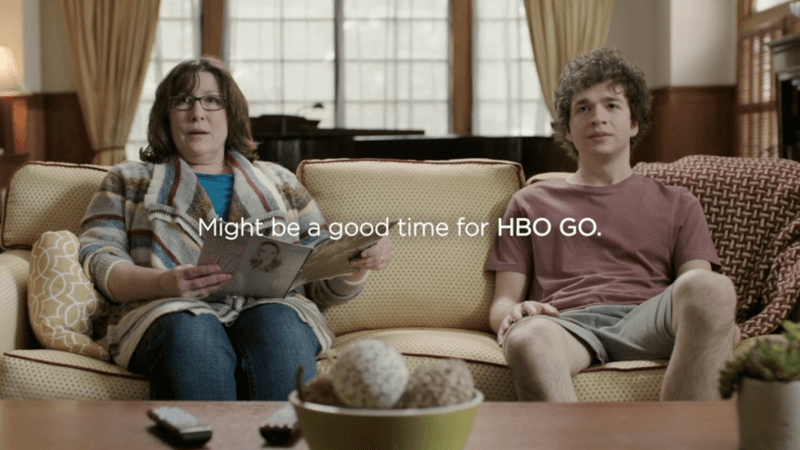
HBO
'Family viewing' is a well-established TV category. But not all shows benefit from your family's presence. HBO Go offered a solution.
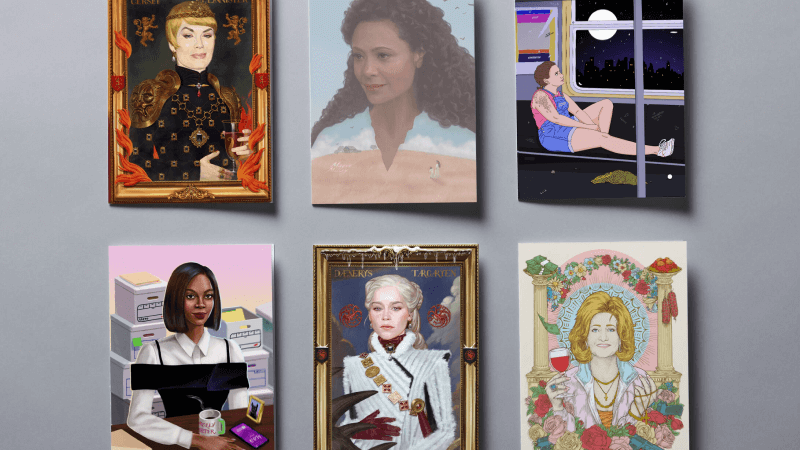
HBO
To celebrate Mother's Day, HBO decided to celebrate some of entertainment's most famous and complex mothers.

HBO
To bring the second season of Westworld to life, HBO decided to, err, actually bring Westworld to life.
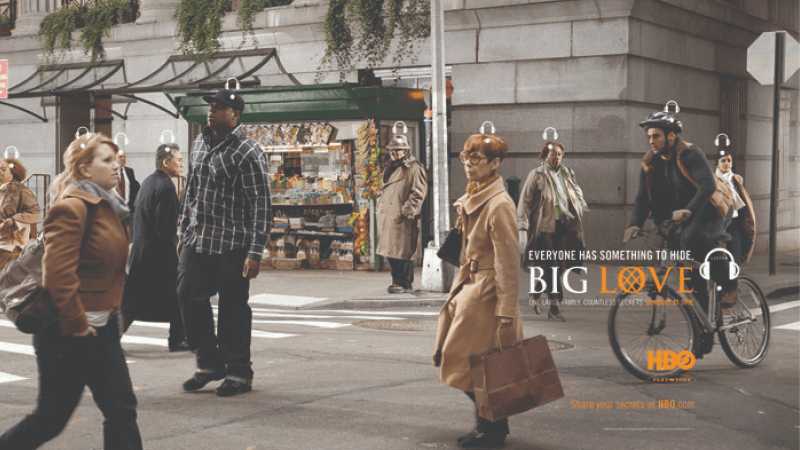
HBO
To launch a new show that would be filled with half-truths and intrigue, HBO invited passersby to listen to the secret lives of others.

HBO
When a show's storytelling is its strength, why not let its audience create stories of their own?
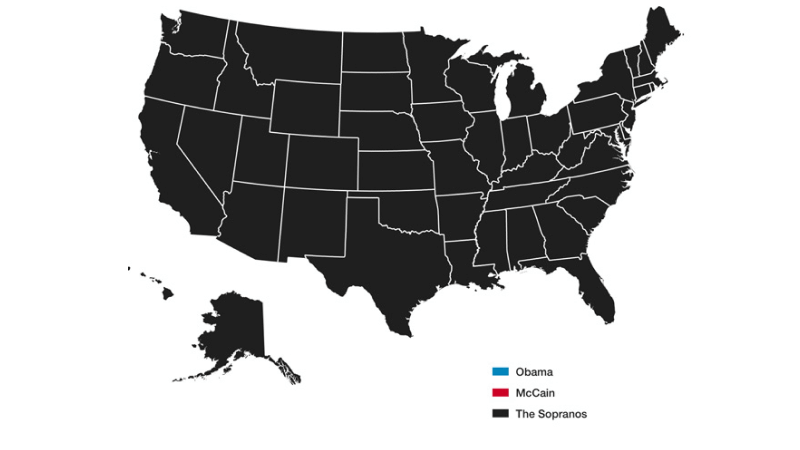
HBO
With the 2008 Election looming, HBO decided to offer their own candidate - the entire Sopranos boxset.

Netflix
'Narcos Mexico' promised to have more drugs, more violence, and more sex than its already racy parent show. The trouble? Thai advertising standards wouldn't allow any of that to be in the show's ads.
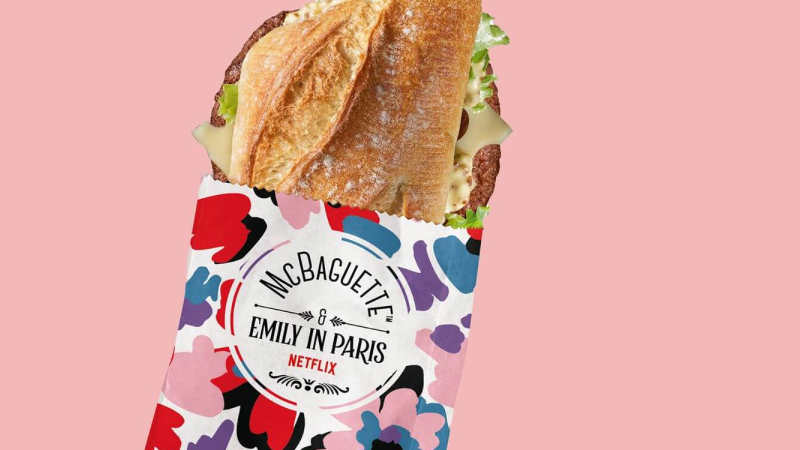
Netflix
Netflix explored the power of making a show's fiction into their fan's reality with a crafty partnership.
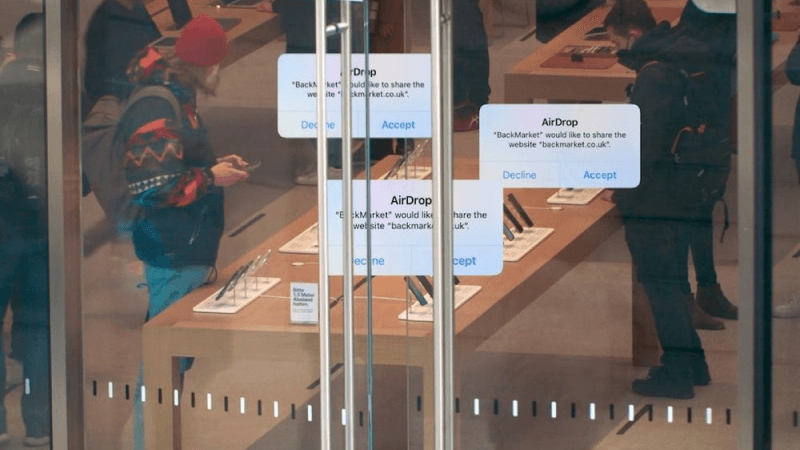
BackMarket
Electronics marketplace Back Market Airdropped messages about sustainable tech into Apple stores on Earth Day
Cadbury
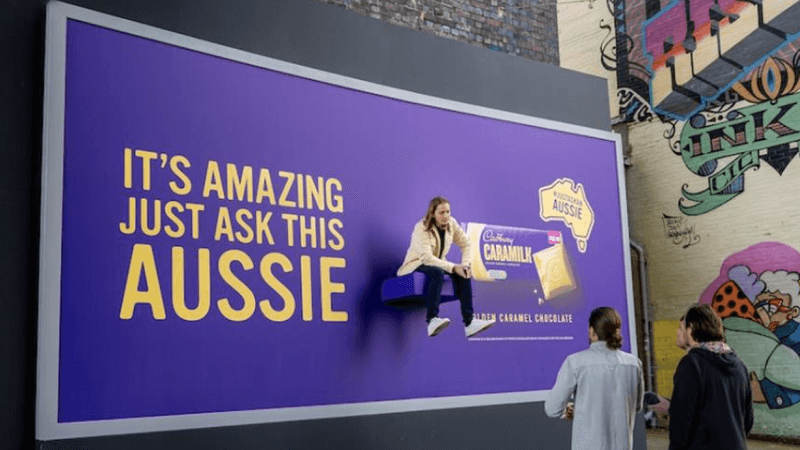
Sometimes, you need to let your product speak for itself. That means your comms needs to encourage trial. Cadbury launched their new Caramilk chocolate, using social proof to encourage people to give it just one try.
Chipotle
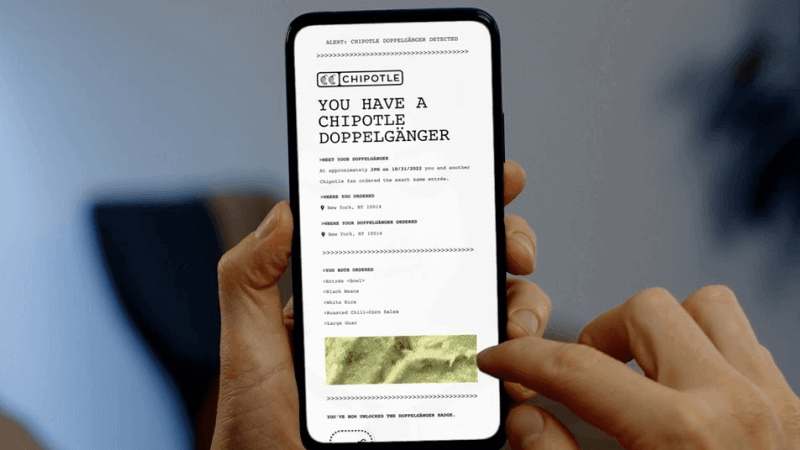
Chipotle broke through the cluttered email inbox to engage its biggest fans who take great pride in the ‘unique’ ways they customise their burritos.
DoorDash
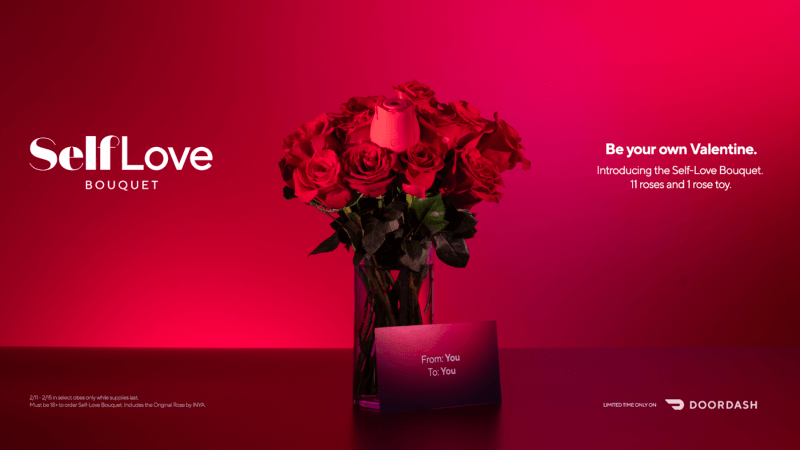
In 2022, DoorDash offered same-day flower delivery for Valentine's Day. In 2023, they wanted to repeat the campaign, but needed a new twist. So they focused on self-love and female pleasure.
Heinz
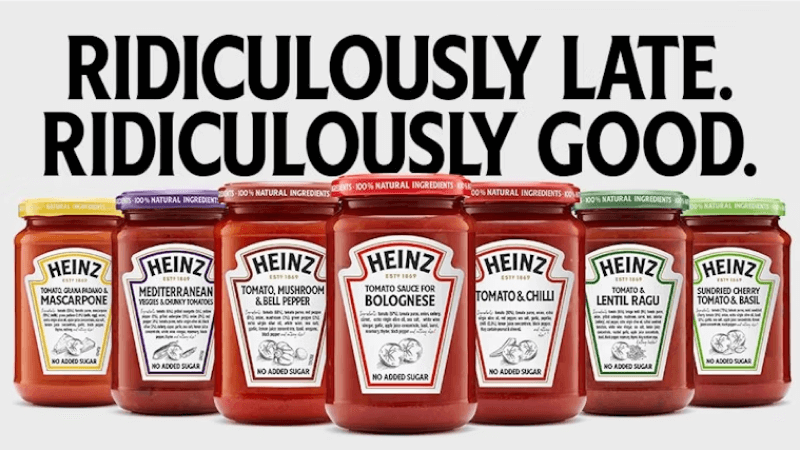
Heinz are experts in tomato sauce. But when it comes to pasta sauces, for some reason, they were late. Apologetically late. So they said sorry to a whole nation to launch their new range of pasta sauces.

Michelob Ultra
Michelob Ultra needed to find a way to reverse the falling sales of light beer. It needed its old heartland audiences to re-engage and boost consideration amongst them - so it reached out directly with a unique offer.
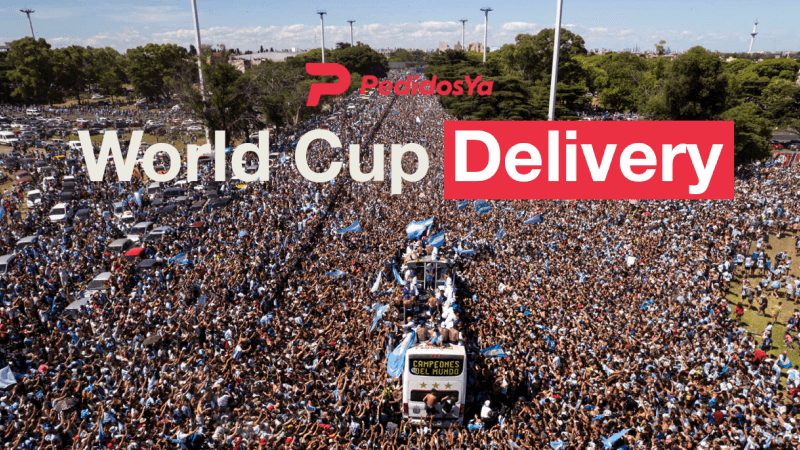
PedidosYa

Samsung
The smartphone market is highly competitive, but much of the comms orbits around pure feature communication. Camera quality, screen clarity, battery life. Samsung wanted to do something different and distinctive to sell their newest flagship device.
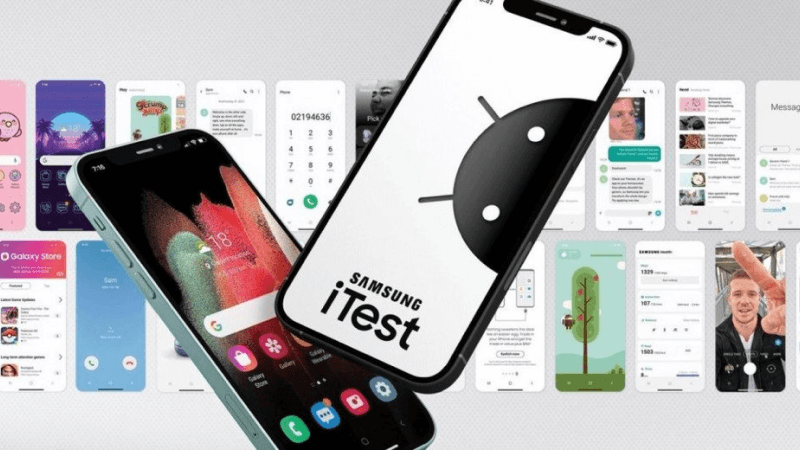
Samsung
Your rival's strength can be your asset. Samsung knew that if they could convince iPhone users that Android was the superior operating system, they'd get some of them to switch. The challenge was how...
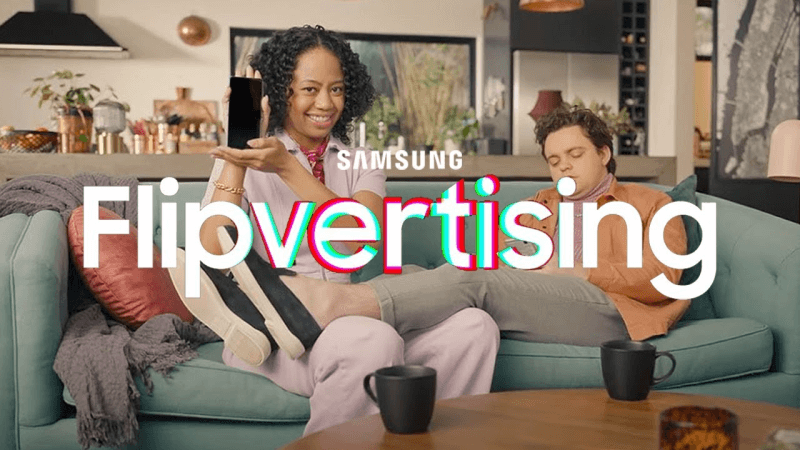
Samsung
For the launch of the new Galaxy Z Flip4, Samsung flipped advertising on its head. Rather than push a message out to consumers, they got consumers to actively search for their ads.
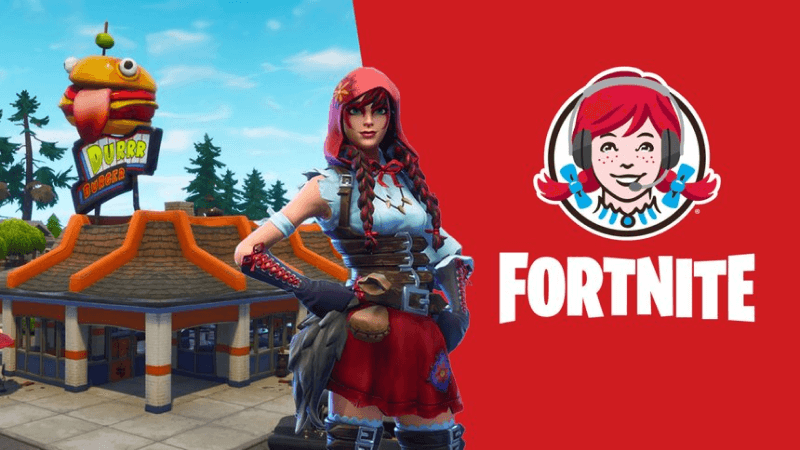
Wendy's
Wendy’s don’t do frozen beef. To reach young consumers in the places that matter to them, the brand took this belief to Fortnite. Where they simply played the game.

Zip
Not all industries are exciting, and financial technology definitely isn't one of them. So when Zip, a Buy-Now-Pay-Later brand, wanted to drive mass awareness, they wanted to do something a bit more fun than usual.
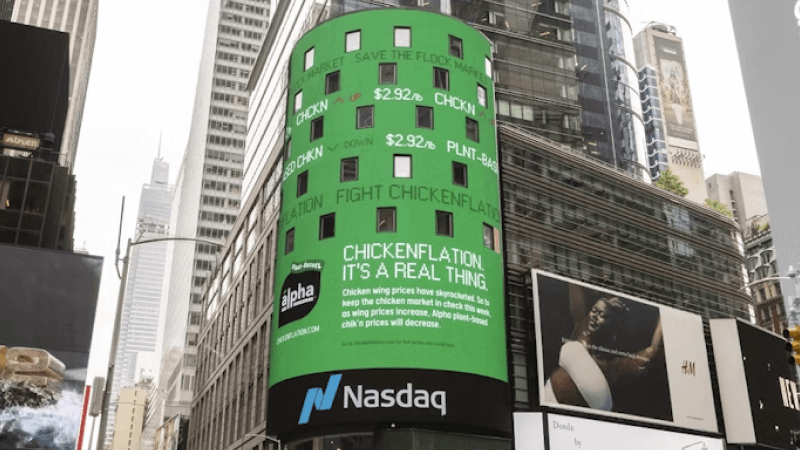
Alpha Foods
When inflation was driving up the price of meat for consumers, a plant-based food brand saw the chance to develop a new RTB that most of their rivals ignored. Not health, not meaty textures - but price.
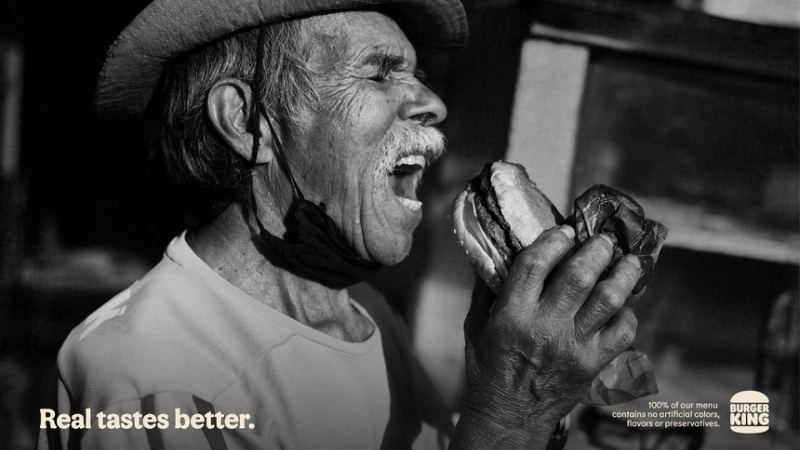
Burger King
A new, preservative-free menu was little known and little cared for. So Burger King had to tap into the emotion of candid everyday life to show how they 'got' ordinary Mexicans.
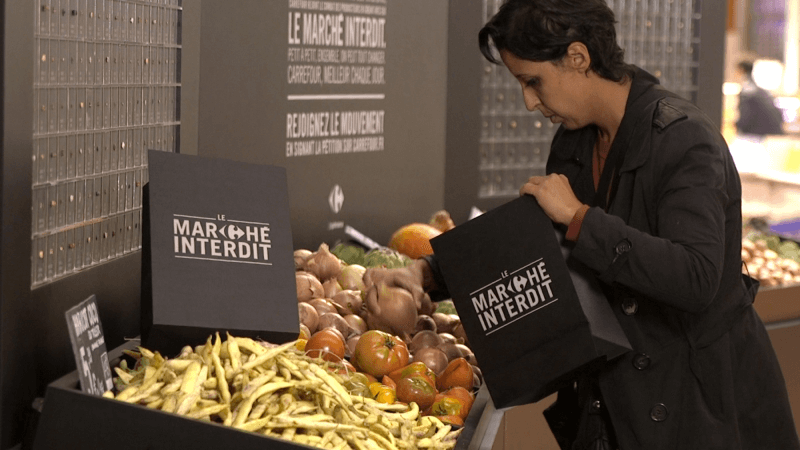
Carrefour
An outdated EU law gave consumers access to just 3% of fresh produce. So, Carrefour challenged it by selling 600 forbidden fruits and vegetables.

Deutsche Telekom
Deutsche Telekom knew that Gen Z were the most price sensitive and least loyal age segment in the telco category. So they created a way to establish a meaningful, lasting connection with them.
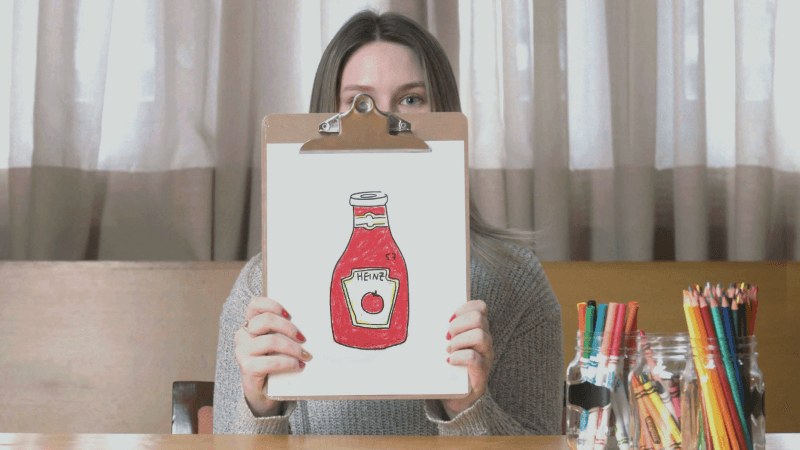
Heinz
Heinz is ketchup. But in 2021 they were losing market share to competitors. So, they did something their competitors couldn't - asked the public to draw ketchup.
Lenovo
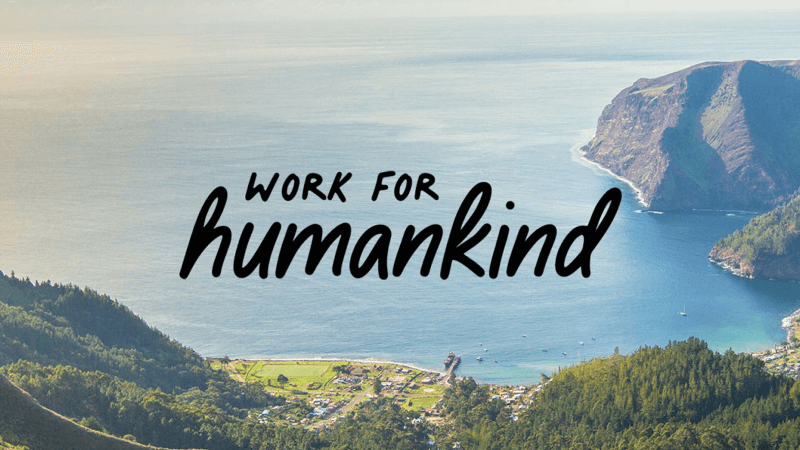
A personal computer brand became a part of the ‘work from anywhere’ conversation by showing that it understood what remote workers really valued during the pandemic.

Nike
Nike's global success and superstar-laden campaigns had left young Londoners feeling increasingly disconnected from the brand. So, Nike ditched the celebs and made London's youth the stars of their advertising.
PepsiCo
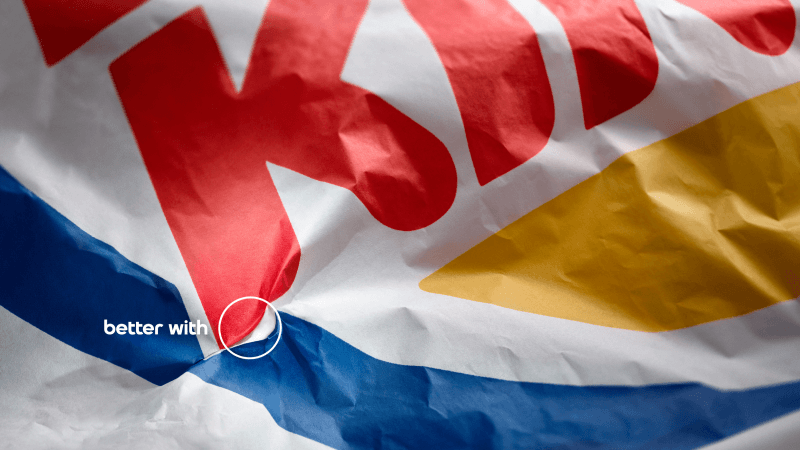
What do you do when you know your product is better than a rivals? Well Pepsi turned to... origami?
Tinder
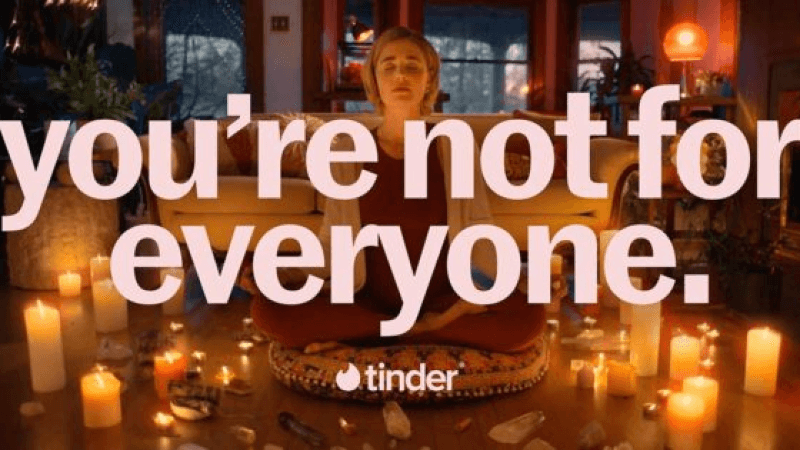
Tinder had a problem. The 18-24 year olds the brand initially targeted had grown up, and these now 25-34 year olds weren’t as willing to give Tinder another try - especially when Hinge, Bumble and others promised better results.
VICE
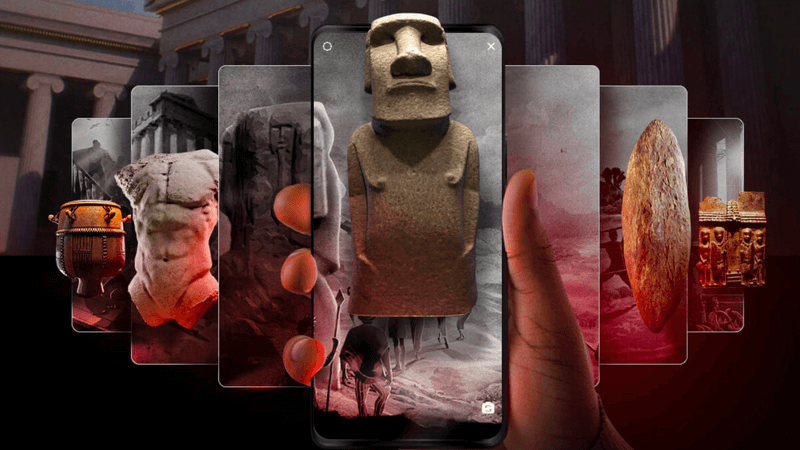
Instead of adding dog ears to a selfie, VICE used AR to tell an important story about the British Museum's stolen artefacts.
Aldi
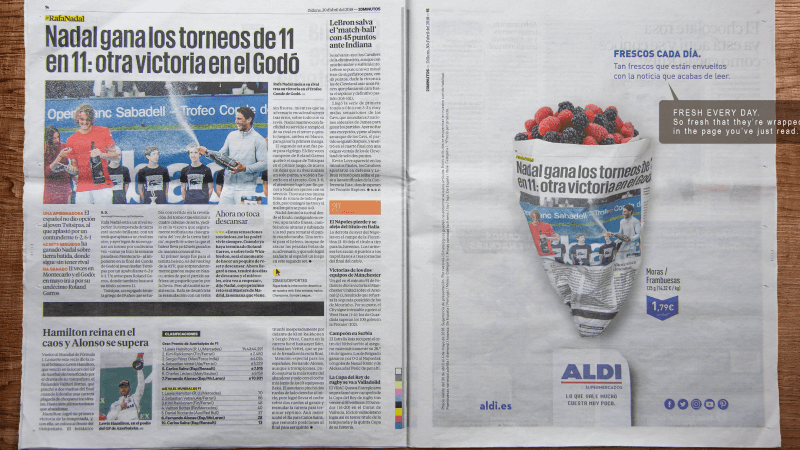
Most people in Spain didn’t know that Aldi have some of the best fresh produce. So, Aldi decided to put an ad in newspapers with photography of their fresh produce - wrapped in that very same newspaper.
American Express
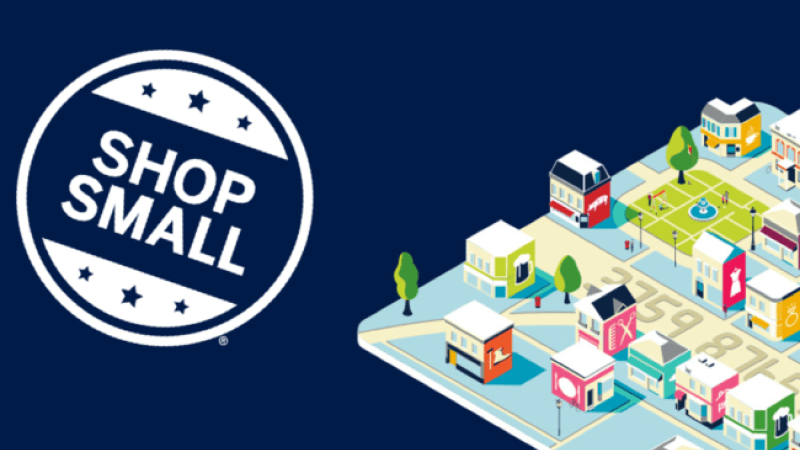
American Express has always supported small businesses. During the pandemic, the brand found a way to mobilise its card members to continue their support and improve brand perceptions.
H&M
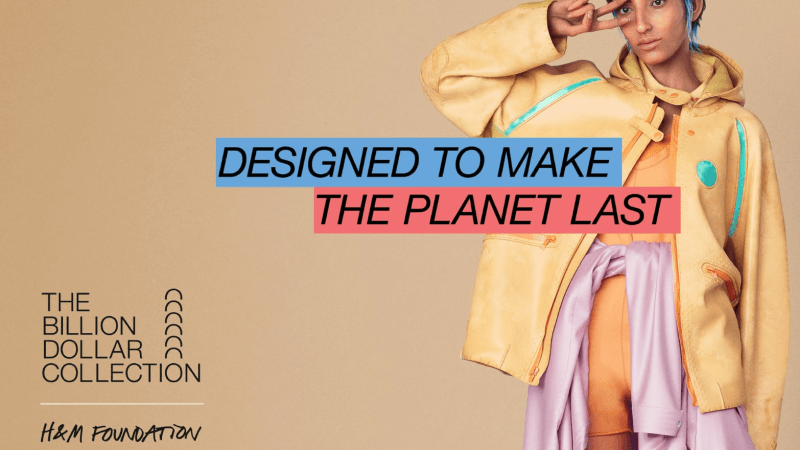
Fast fashion is terrible for the environment. Promising green technologies exist, but need funding to scale quickly enough for big brands. So H&M gave them a global platform.

KFC
KFC Dubai were looking to grow sales amongst a new audience - gamers. The trouble was this crowd did not like being disturbed while playing their favourite game.
Mars Wrigley
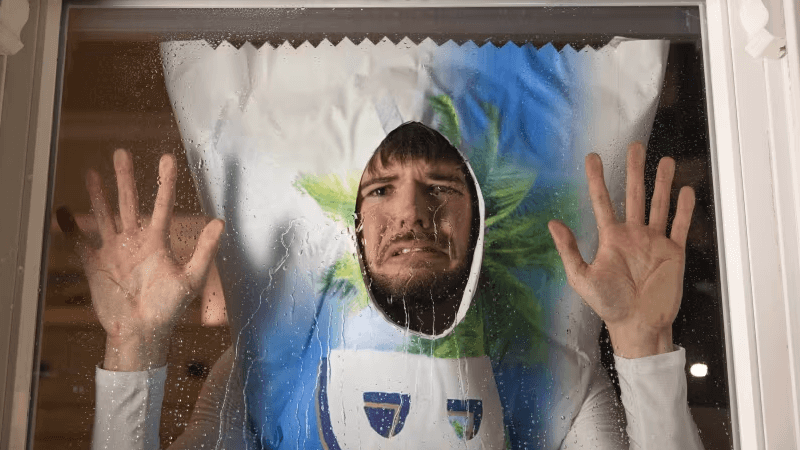
When people don't like something they've purchased, they tend to return it to the shop. True - but has anyone done that for sweets before?
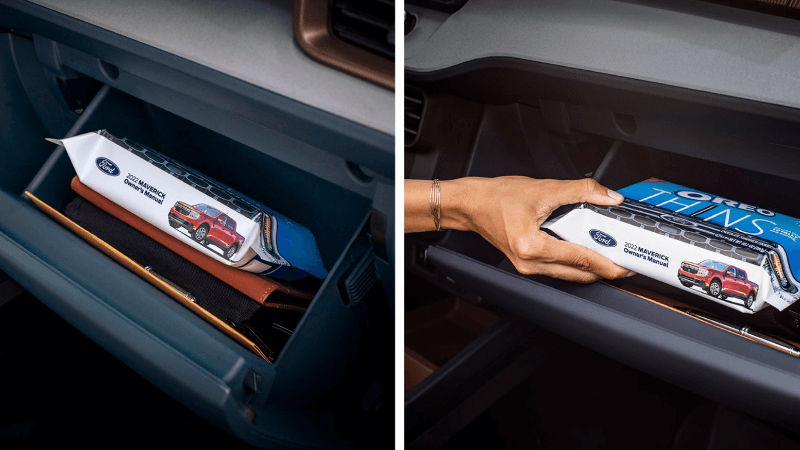
Oreo
Parents complained that their kids kept stealing their cookies. So, Oreo hatched a cunning plan to thwart the young thieves.
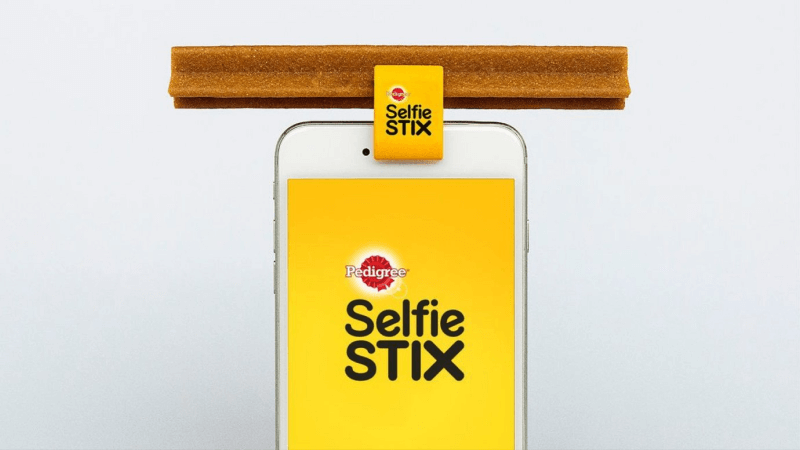
Pedigree
Pedigree realised that people love taking pictures of their pets, but struggle to take pictures with them. So they designed a solution that made the most of their tasty dog treats.

Renault
Renault is the leading electric car maker in France, and set about tackling the biggest barrier to the electric transition - the small number of electric charging points.
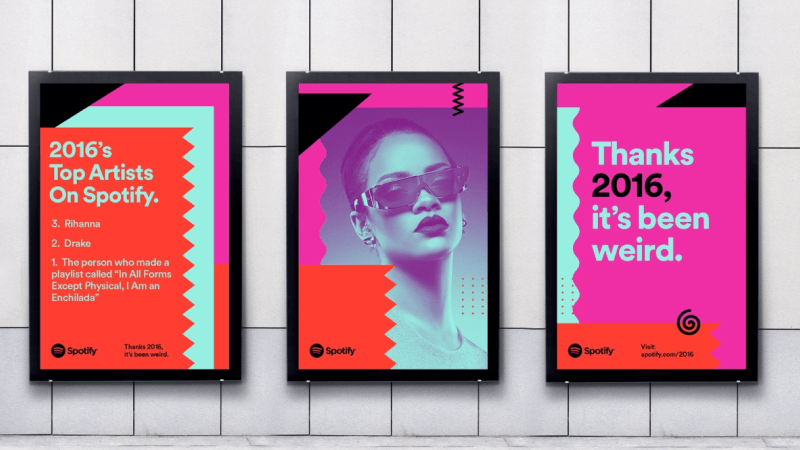
Spotify
Perhaps the most successful example ever of a company leveraging customer data to create valuable (and shareable) content.
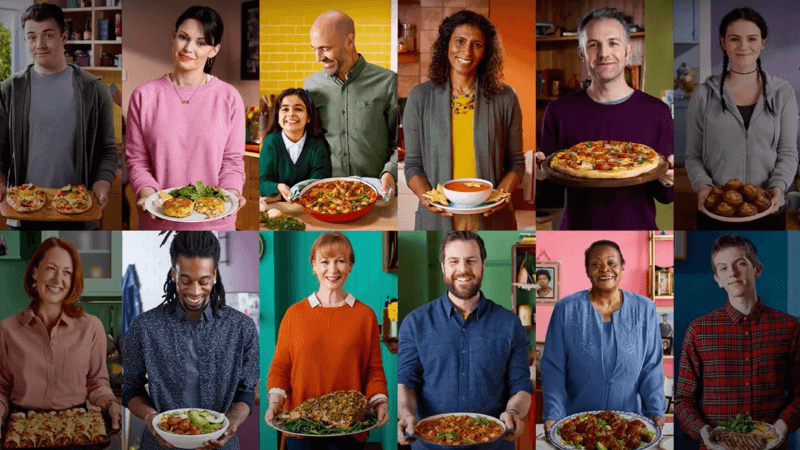
Tesco
Tesco's own branded food wasn't seen as high quality. And they couldn’t make the same rational provenance claims other supermarkets were using. So, they instead turned to emotion.
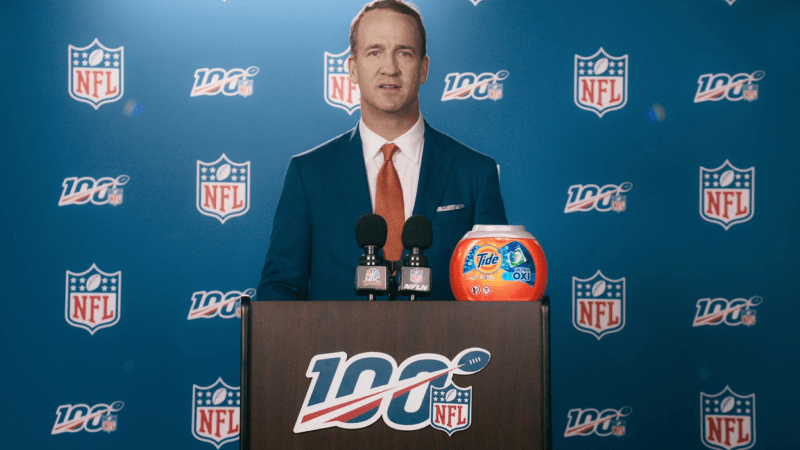
Tide
Tide realised their customers were stuck doing laundry on a Sunday when they wanted to be watching the football. So they crowned Tuesday the official laundry night instead.
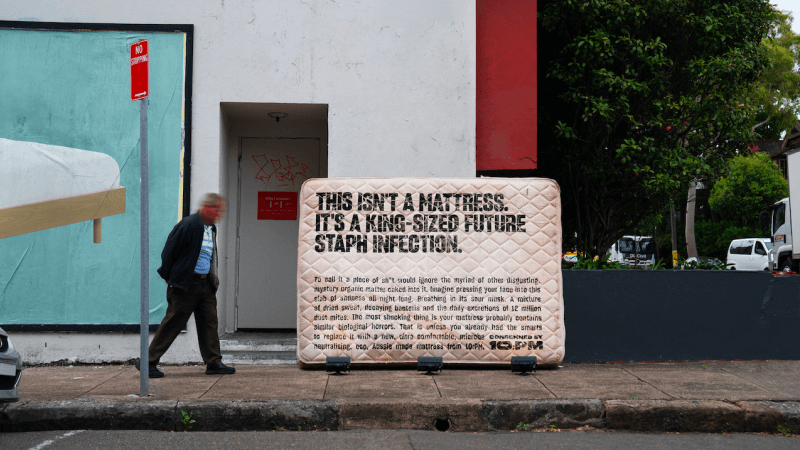
10:PM
When you don't have a big budget, finding the right channel to maximise your reach is a struggle. An Australian mattress brand found an innovative way to reach millions - with a $0 media budget.
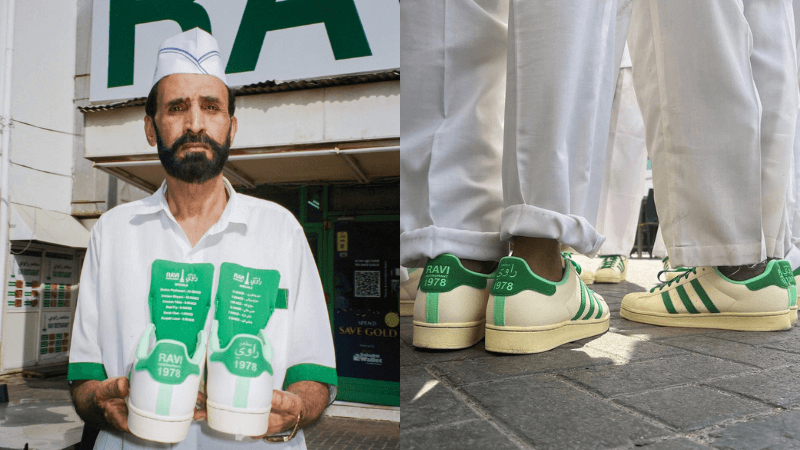
Adidas
Sneaker brands have been using exclusive, limited-edition drops to build hype and desire for their products. Adidas wanted to do the same, while building a sense of community. Here's how they did it.
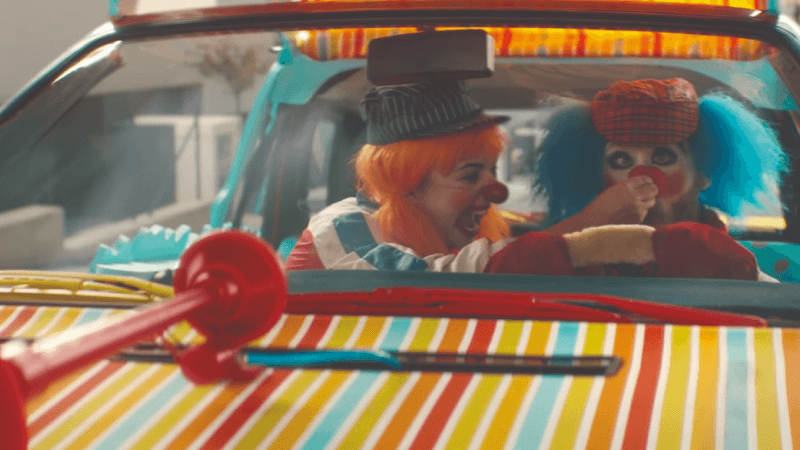
Audi
Audi went from talking about their cars features to their customers' feelings. In doing so, they made the most effective TV ad of the year.

EA Sports
How do you launch one of the most popular video game franchises in the world, keeping things fresh every single year? EA Sports answered this with a moustachio'd football manager.
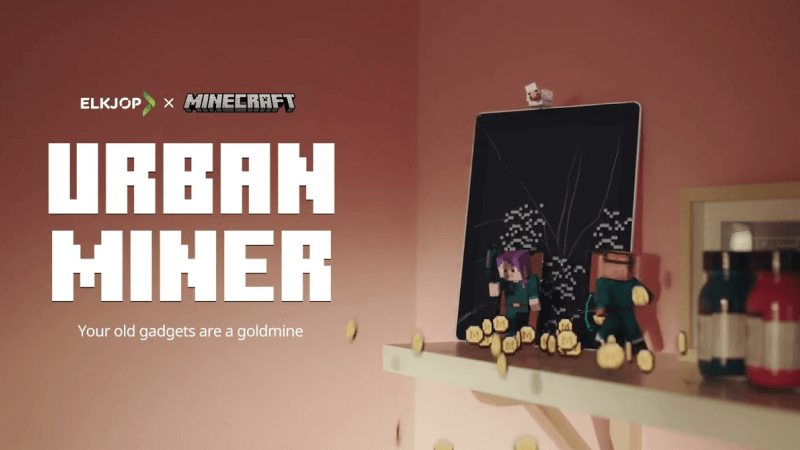
Elkjøp Nordic
A Nordic electronics retailer wanted to push a message about its commitment to reducing the amount of e-waste produced each year. Rather than just make a TV ad about the problem, this brand engaged gamers to practically reward them for helping to solve this issue.
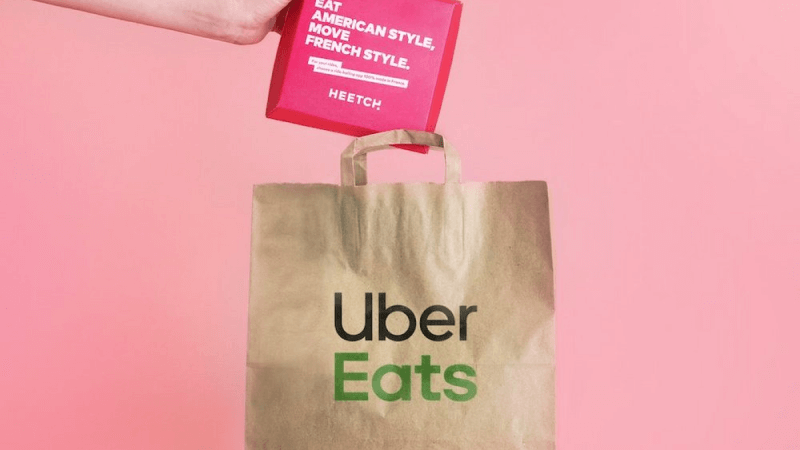
Heetch
When the market is dominated by a single player, it can be difficult for new entrants to even make a splash. One ride-hailing app decided to hack the system by hacking the dominant player, getting Uber to deliver ads for them. For free.
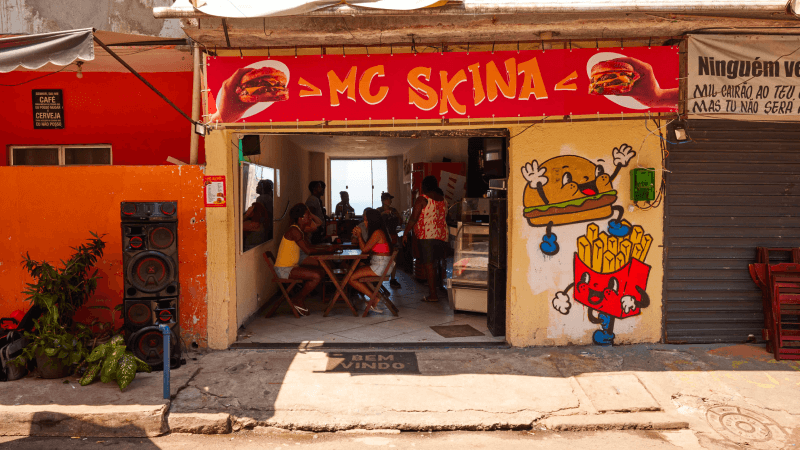
Heinz
Heinz and McDonald's had parted ways in Brazil, but the ketchup brand had a trick up its sleeve to activate an army of guerilla, underdog, "Other Mcs".
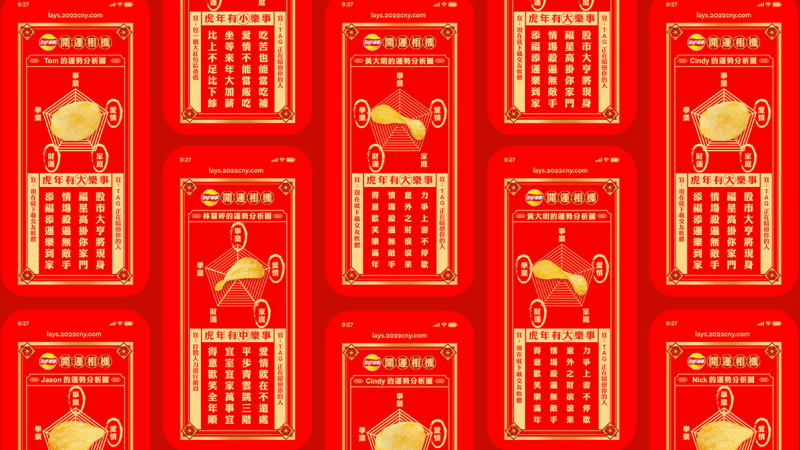
Lay's
How can you make your product the centre of a cultural event as big as the Lunar New Year? Lay's paired a bag of their crisps with some clever AI and found out how...
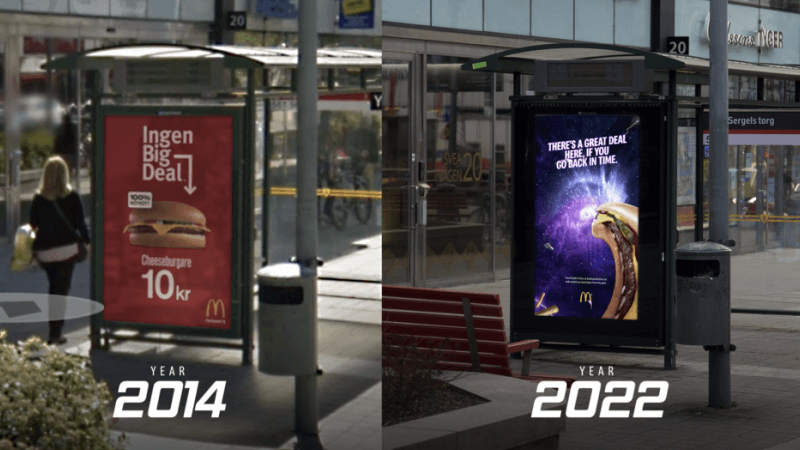
McDonald's
When inflation was soaring after the pandemic, everyone wanted to offer good value. But deals, discounts and vouchers can get tired, and even overwhelming. McDonald's Sweden found a way to make their "newest" set of offers more compelling than ever.
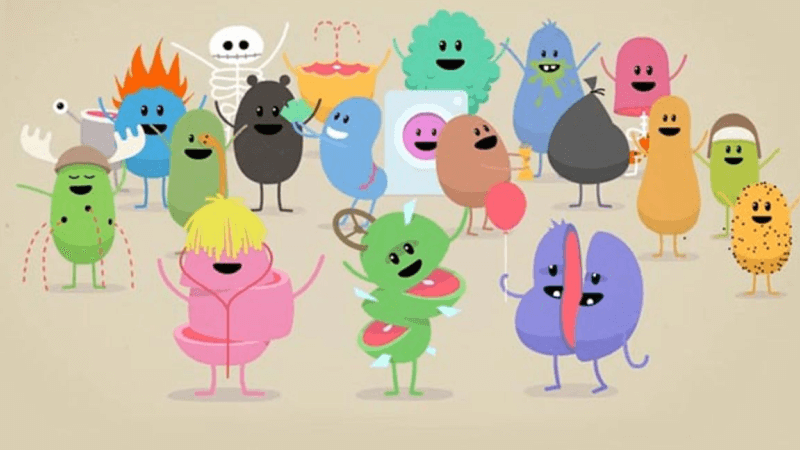
Metro Trains
How did a rail safety campaign end up getting more than 300 million views?
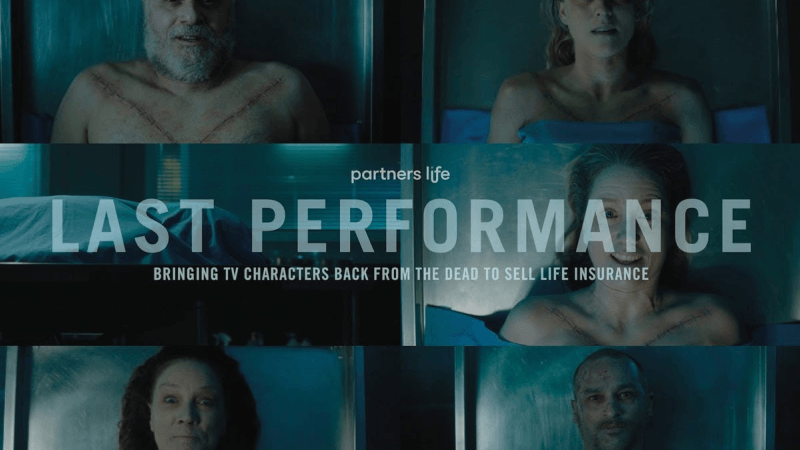
Partners Life
It's an unspoken truth that death sells life insurance. Most brands avoid confronting it head on. A New Zealand insurance company decided they would and enlisted the help of the best salespeople money could buy.

Redoxon
In a market filled with immunity claims, a vitamin company found that becoming an ingredient instead of a supplement was the key to winning market share.
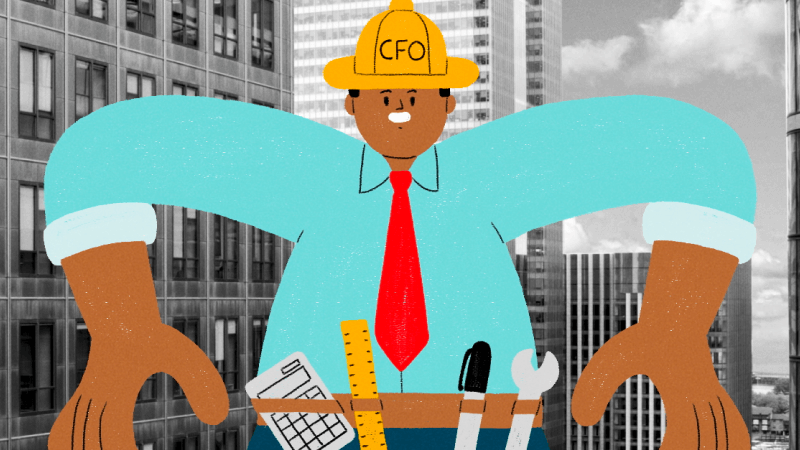
Sage
The more niche your audience, the more important it is to be truly relevant and credible to them. Sage showed that they understood this better than most when they wanted to reach a particularly niche audience - CFOs.
SkipTheDishes
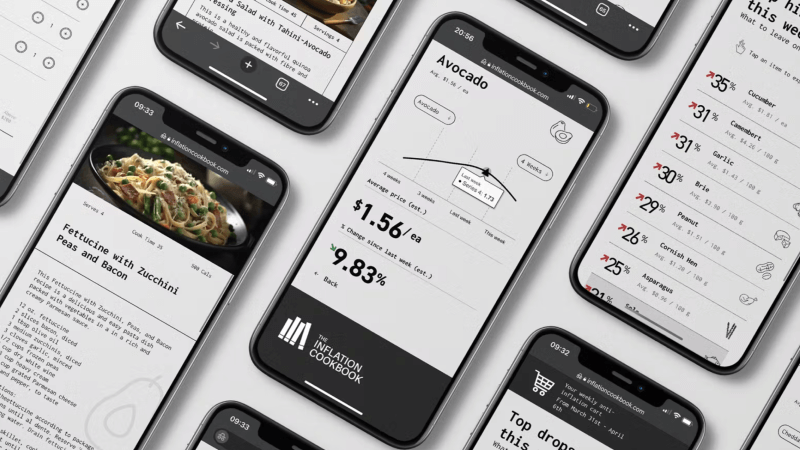
Many brands trying to deliver on a purpose fail to land it credibly, or turn it into real business results. A Canadian delivery service did both, with a smart use of data when inflation was skyrocketing.
Stella Artois
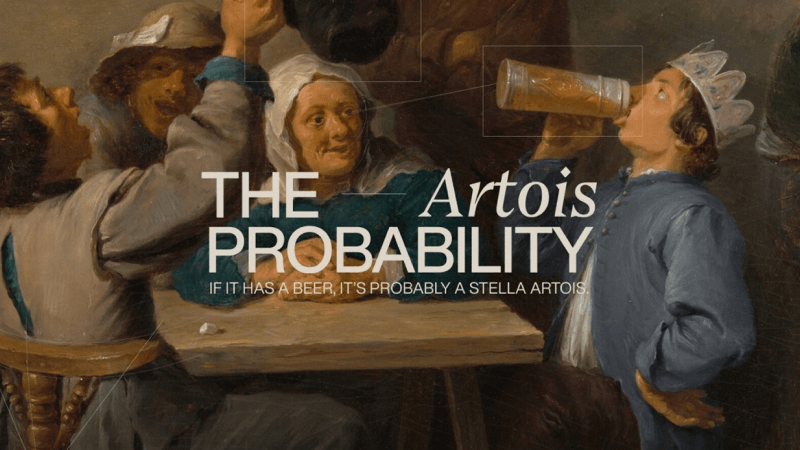
Beer brands love to use social proof: showing consumers what typical drinkers of their beer look like. This is how one brewer uniquely combined this trend with a dive into their own heritage.
Takis
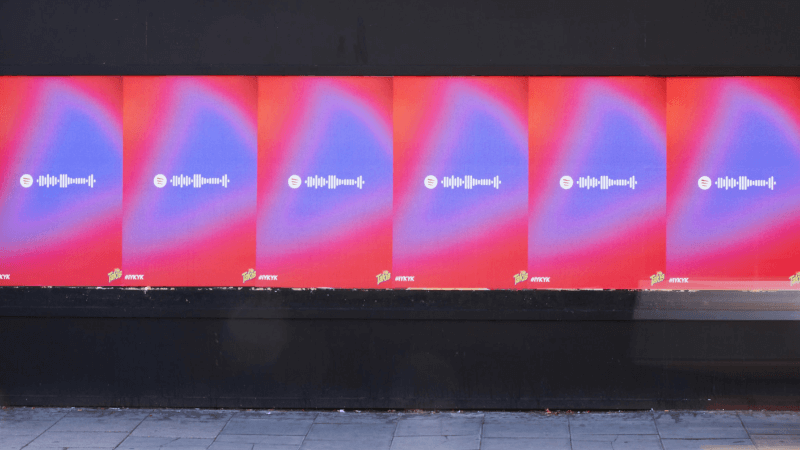
Many brands fight for space on British supermarket shelves. One American chip brand broke the mould, borrowing from drop culture to create their launch for mainstream audiences.
Tesco
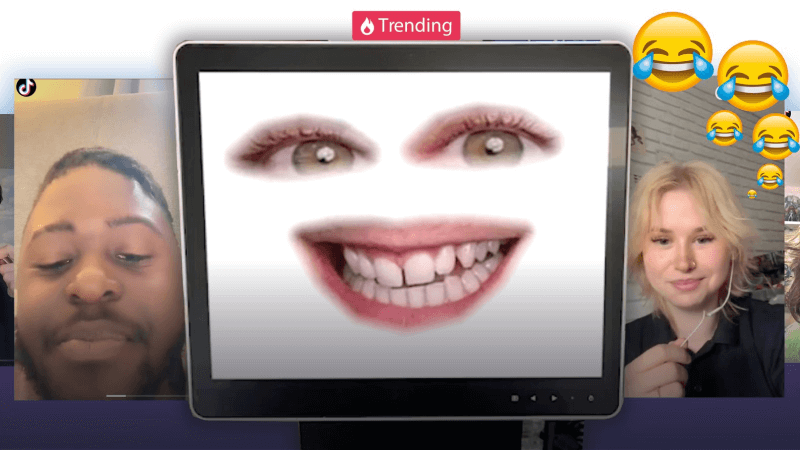
This supermarket chain was late to the TikTok game, and needed to play catch-up. They needed a way to genuinely engage people, especially younger audiences, on social media. Tesco understood the assignment.
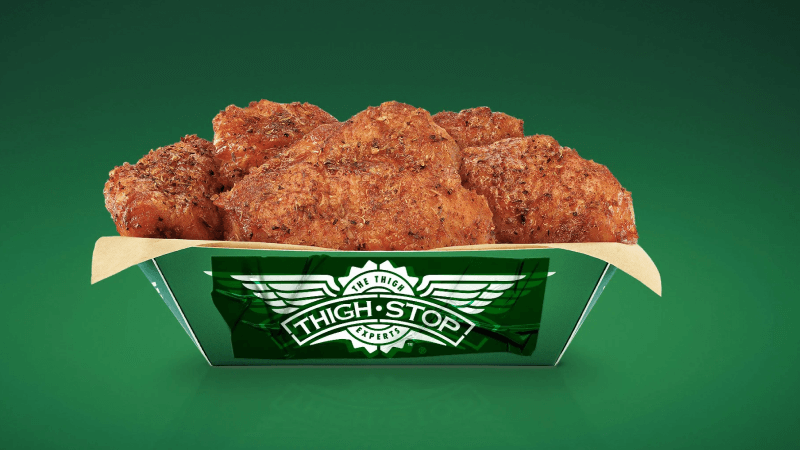
Wingstop
When the pandemic struck, global supply chains were disrupted - even the supply of chicken wings. One chicken-focused restaurant revamped themselves in record time, turning this challenge into a once-in-a-lifetime opportunity.